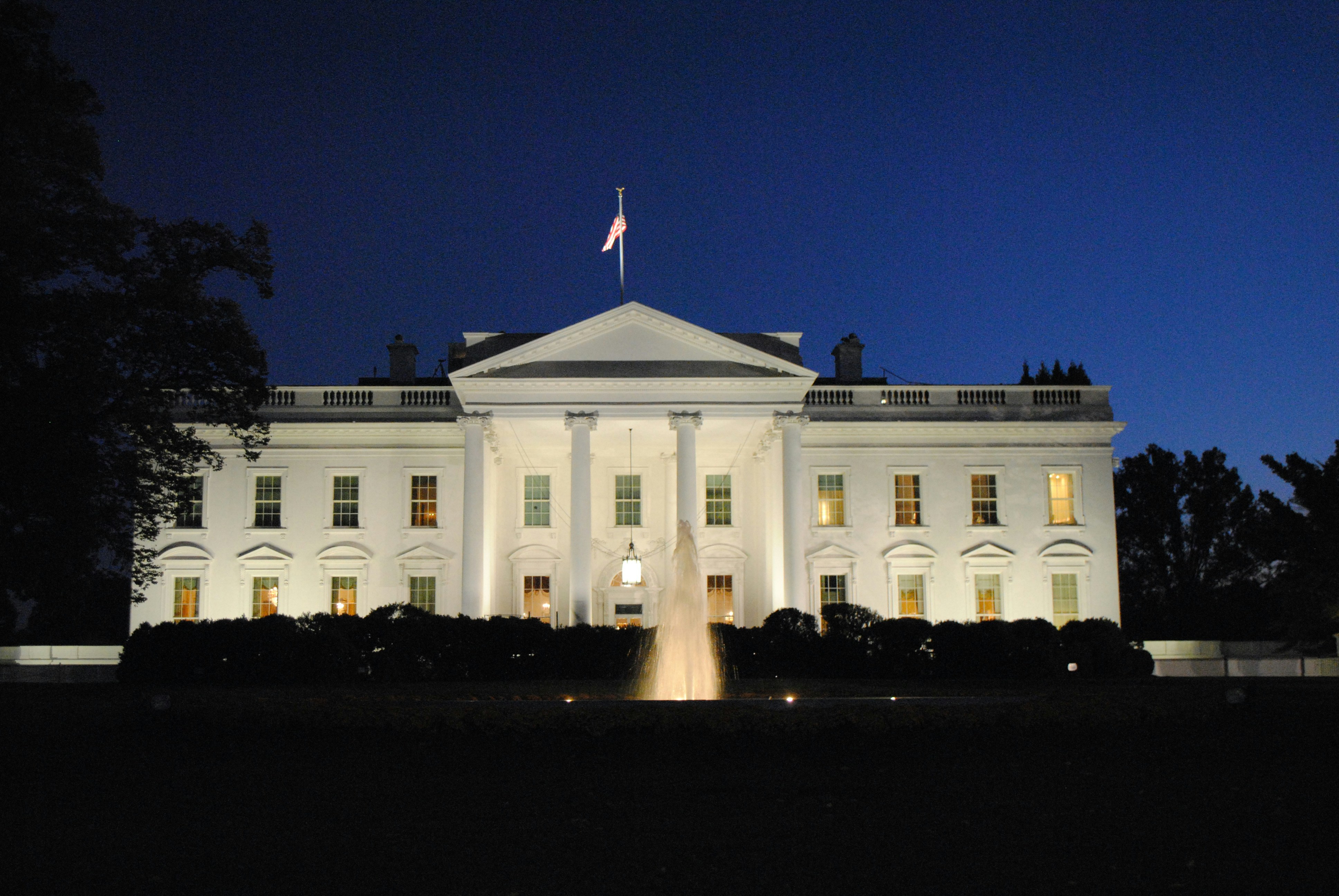
Inauguration Day

Today dad woke up and immediately turned on the TV. He didn’t want to miss a moment of the insanity (his interest is fascination, not support). I couldn’t handle the pageantry, it’s exclusivity so heavy with implications.
I tried to stay out of the apartment, but rainfall ruined outdoor errands. With cable news blaring through the apartment, I retreated to my room, closed the door, and clicked on Pandora prompting a flashback to the 1980’s when I spent so much of my young life in my room to listening to music.

Life in an alcoholic household meant a lot of concessions. And being one of four children meant a lot of sharing. Compromise grew into a form of PTSD for me (which has possibly contributed to multiple failed relationships over 40 years), but around age eight, my brother was moved to another room and I finally had a sanctuary. My bedroom was the smallest in the house and located directly over the back door and the kitchen allowing me to be aware of everyone coming and going without having to engage directly.

Back then, I did homework laying stretched across my rose print comforter with Madonna blaring rather than pushed up to the desk in a wooden chair as my father instructed.

Now, I’m looking at an empty (plastic) desk chair as I lean against multiple fluffy pillows (in childhood, I only had one) with the dog snoring next to me drowning the voice of pundits with Taylor Swift lyrics.

Back then, politics was boring adult stuff. Now, I am the boring adult, but with the swearing in of Donald Trump, I crave a teen mindset- one that barely extends past the walls of my room. Wouldn’t it be nice if the issues affecting my life could be assuaged simply by wearing the right outfit?

Obliterating problems I cannot face with copious amounts of alcohol is popular among adults, and obviously, I’m not going that route, but what is the healthy version of inhaling a pint of ice cream? Google suggests meditation, exercise, and journaling.

I’m two for three so far today and I can tell you, it’s not enough this time.

You Never Forget How to Ride a Bike?

You never forget how to ride a bike.

It’s called a procedural memory, a knowledge learned at a young age that becomes so ingrained, you don’t have to consciously think (how to walk or swim, how to write or tie your shoes, not to touch a hot stove). This information is stored in a specific area of the brain, and is always accessible, but here is a secret:

You can forget how to ride a bike.

If something happens to the brain, that information can be lost. Thankfully, aside from traumatic brain injury or early onset dementia, you don’t have to worry about losing those little gems, but as you get older, the guarantee expires.

The other night, my dad (aged 92) tried to pull a casserole out without an oven mitt. I swatted his arm away, avoiding a visit to the ER, but he seemed confused by my interference. He said it never occurred to him that the dish would be hot.

Dad struggles with word retrieval. He forgets to eat lunch. He can’t remember how to make the microwave or the television set work, and like the hot casserole dish, I’m caught off guard as each of these procedural memories expires.

My dad taught me to ride a bike. I never imagined that one day, he wouldn’t be able to ride one.

I thought convincing him to stop driving was the biggest challenge, until I had to stop him from ordering random things off the internet. I allow him as much independence as possible, exercising patience when he pushes back, but he is getting close to the point where sleeping is the only thing he is allowed to do without supervision. With each adjustment, I’m careful not to blame his limitations. Instead, I repeat that we are facing these changes together, and the new rules are not meant to punish or control him, but instead to make things easier on me.

As his world shrinks, my compassion grows. Who will pull a casserole out of the oven for me when I’m older? Will I know when it’s no longer safe to drive?  How will I react the day I hop on my bike and can’t make it go?

Middle age is like standing at the pivot point of a seesaw trying to balance memories of boundless youth against the limits of aging. Until, one day, it’s time to get down and let someone guide you home.

Virtual Reality

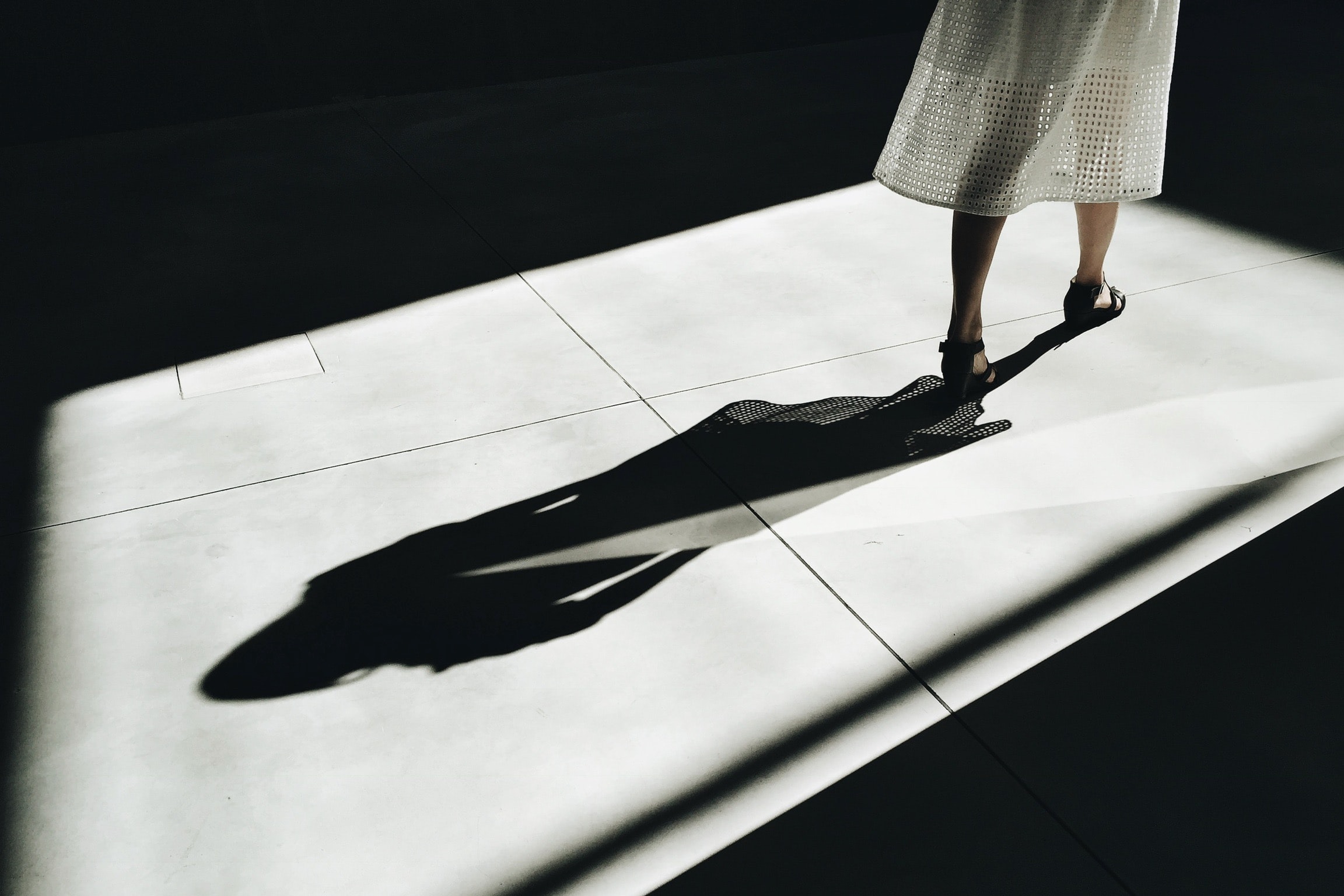
Significant experiences live inside us. Moments evoked by a song, a smell, or a situation often initially prompt a smile, but even the most precious pieces of the past feel bittersweet being reincarnated. The decades cast a shadow.

Photo Credit: Martino Pietropoli (courtesy of Unsplash)

Yesterday, one of those moments swept in like a summer downpour. The memory bloomed as time rewound thirty years to a flood of young love, and the joy it brings. 

I’m not currently in a relationship. All the feelings were deeply rooted in lost love, and when the rush dissolved, I felt a dull ache lingering like a hangover. 

Did I make the right choices? Could I have changed the outcome? Pushing the questions aside, I grasped for the memory again desperate to be there just a little longer, but I couldn’t hold on. 

Between the flood of tears and choking breaths, I whispered to myself, “everything happens for a reason.” For I would not be here without lessons and opportunities born of past losses.

Somedays the lure of years gone by is tempting, but I don’t want to get stuck there. It’s a virtual reality, created in my mind. I have power over it, and when I turn it off, I return to my present to create a new adventure.

What Came Before

The Summer I Turned Pretty (an Amazon Original Series based on the books by Jenny Han) is the perfect escape from the real world this summer. Belly, Conrad, and Jeremiah took me right back to summers with my friends in the 1980s, and of course, the complexities of summer romance.

My guy presented a little more like Jeremiah on the surface. He was the guy everyone was drawn to, cute, fun, up for anything, but he had a thick stubborn layer of Conrad underneath. Indecisive, uncertain, never talking about what was bothering him, and always handling things badly.

He was a great kisser and my best friend. Our connection was like a sparkler on fourth of July. Even people who didn’t know us well could see the intensity.

And when he was kissing other girls, he was still my whole world.

We fought in a smoldering silent way, rarely raising our voices, but unmistakably displaying our displeasure. Even during the bad times, I always believed in him. I stood up for him. I supported him. It was my fatal flaw. If I had put all the energy and love I saved for him into believing in myself, I never would have gotten so lost.

Watching The Summer I Turned Pretty, I cheered every time Belly tried to draw a line with Conrad because it was more than I could ever manage, and I totally understood how easy it was to fall back into his orbit. We’ve all been there, sister.

I didn’t believe there was a line my guy could cross that would make me walk away, but I was wrong. Eventually, he broke me so badly that I could no longer defend him, and it wasn’t just my heart that hurt. He killed my spirit and destroyed my trust. 

The only thing anyone noticed was that after many years, he was no longer by my side, but from my perspective, the world was upside down. I recognized nothing, least of all myself. I floated through days in a nightmarish state-untethered, frightened, and alone trying to find my way, but without any idea where to go. 

Slowly, piece by piece, I touched down on patches of solid ground. They were unfamiliar and that was comforting. What had been before did not exist now.

My new world was about me, trying new things, meeting new people, asking new questions, and discovering new strengths. As I woke up from my nightmare, I took comfort in understanding that I didn’t need him. I didn’t need anyone.

After completing The Summer I Turned Pretty series on Amazon, I read the books by Jenny Han. I was impressed when Belly chose to figure things out on her own. 

We all need the opportunity to get to know ourselves because like Cleveland said, you can’t be good with someone else, until you’re good with yourself. 

Now I know that my heart is #TeamConrad, but I’ll never stop cheering for #TeamBelly

We Have to Save Ourselves

Americans today are hell bent on rule breaking.

Trump’s lifetime of crime without consequences made him the ultimate role model for the “you can’t tell me what to do” crowd.

Educational institutions now teach “active shooter drills.

People on planes refuse to wear a masks, or take their seat, or turn off their cell phone.

Coordinated bandits loot stores during business hours.

Individuals carelessly spread a deadly virus in the name of “personal freedom.”

The community fabric that used to hold us together is splitting apart.

In the United States we shout about being the “greatest” country in the world, but many choose to forget (or never learn) what happened to all the greats who came before .

Spoiler Alert: Every other civilization holding the top title collapsed:

Ancient Egypt

Ancient Greece

The Roman Empire

The Ottoman Empire

The Incan Civilization

The Mayans

The Aztecs

Society is supposed to be all about working together to solve problems. When neighbors stop cooperating, society crumbles. Check out these outward signs of a pending demise:

*Central government stalls due to petty feuds

*Literacy falters

*Population declines (illness, natural disasters, and migration)

*Extreme inequality becomes evident  

Anything look familiar?

We haven’t fallen off the cliff just yet, but how can we step back from the brink and unite like we did after 9/11? How can we reinvigorate the spirit of mutual trust and support?

Here are a few ideas on where to start:

1. The Golden Rule. In case you forgot, it means treat others the way you want to be treated. Let’s start there and use it to rediscover how to act collectively for the greater good.

2. Open up your eyes, your ears, and your mind. Listen to scientists and other experts with years of education and experience. Follow their lead instead of putting faith in some TV pundit or loud mouthed politician.

3. Push out and shut down those intent on stirring up trouble (I’m looking at you, Tucker Carlson and Margie three names).

Because no one is coming to save us.

We have to save ourselves.

Seeing is Not Always Bee-lieving

About age 10, I was playing SPUD in the front yard with some friends. The game started with someone throwing the ball up and calling out a name. I ran. But no one yelled SPUD.

I looked back to see what went wrong. The ball was on the ground amidst a cloud of insects. My friends were disappearing around the side of the house.

“Where are you going? It’s just knats!” I insisted waving my hands at the bugs as I walked back toward the ball. Getting stung shifted my perspective. The noticeably larger than knat-sized bees rose in a cartoon like swarm from a nest buried in the ground, but why did it take me so long to figure out what was happening?

This past year, I thought a lot about the bees. Every time someone shouted “hoax” about the pandemic, or repeated it was “just like the flu,” I remembered that day. “Come back! They’re just knats!”

Beliefs are formed when experiences are filtered through personality. If feeling powerless is a trigger, avoiding that feeling is paramount, but some situations are unavoidable.

Perhaps I didn’t “see” the bees that day because when the ball was thrown in the air, I moved away from the safety of the house. My brain refused to register the threat because, if the bees were real, I was screwed. The denial held until the pain of being stung broke it.

When the pandemic descended on America, experts, and those with authority, presented conflicting information. Scientists couldn’t even agree how the virus was transmitted. The only facts were there was no cure, it was spreading, and despite wearing masks and taking protective measures, people were getting sick.

Not surprisingly, some refused to acknowledge the threat. The fear was too overwhelming. Discounting precautions as unnecessary panic was easier than facing the uncertainty.

Thanks to the vaccine, we are starting to come out of the pandemic now. As survivors, the experience has been programmed into our belief system, and I expect to be better prepared should another pandemic occur in my lifetime, but what about the deniers? Do they live forever in an alternate reality?

Note: I am not a doctor or mental health professional. I have written this piece based on my understanding of the world (personality + experience = beliefs). None of the supposition presented above is meant to be taken as facts or advice, merely hypothesis.

Find the Fun

Sometime in the past year, I crossed an invisible line.

I left behind the carefree days of weddings and babies and entered a world of complaints and burdens. I kind of figured that stuff was still a long way off. My 50th birthday is still far enough in the distance that I can’t quite wrap my head around its implications yet, but chronological age aside, I learned today that a long time friend has a wife, 2 young girls, and an expiration date.

My friends are getting sick and they are dying. Instead of talking about our great adventures and big dreams, we discuss surgeries and plans for a financially secure future. Are the best years behind us already? How can I face the second half of my life watching things fall apart around me?

One of my goals for 2016 is to “find the fun”. I want to stop worrying about filling out tax forms and whether I have the right car insurance, and who I’m going to find to replace the leaking window. I want to figure out how to make the most of every moment. I want to laugh more.

A tweet I read earlier today described a man arrested repeatedly for breaking and entering. He had been found mentally incompetent because each time he broke into the house, the only thing he stole was the family cat. I laughed until, I cried. I  used to laugh like that all the time. I want to laugh like that again, everyday. I want to find the fun, but sometime in the past year it went into hiding (probably should have taken that cat with it!)

Have you seen or experienced “the fun” recently? Would you recognize it? Could you describe it and possibly point me in the right direction???

The Twitter Thing

Too Late?

I’m often a latecomer. I took my junior year abroad during senior year. I backpacked in Europe a few weeks after my 31st birthday, and I just signed up for Twitter last month. After launching in 2006 and a celebrating a successful IPO in 2013, Twitter has reportedly reached its peak and is now on the kind of slide that in Chutes and Ladders means better luck next time. Gee, my timing is off, but I’m onboard now and enjoying the benefits.

In the early years, many people attempted to explain Twitter to me, but it just sounded unnecessary. Facebook already stole my heart with daily updates on family and friends. What could Twitter do for me? I understood the benefit for a business promoting itself, but for the over 40 crowd being pulled in multiple directions (demanding kids, aging parents, stressful job), it was just another time suck.

I see now that my attitude reflected the “I’ve never tried it, but I know I won’t like it” paradox often applied to vegetables.

How I Use Twitter

Most people have multiple email addresses, right? Because at some point you figured out that you wanted a private email account to send and receive messages among friends/family, and a separate email to receive order confirmations, bank statements, sign up for promotions, and receive renewal notices. Well, think of Facebook and Twitter like your two email accounts. Facebook handles all the personal traffic, and Twitter handles the commercial payload. Having both social media accounts makes each one work better. Twitter allows you to remove from your Facebook newsfeed all those pages you liked, and things you “follow” that cause you to miss the photos of your nephew’s 5th birthday party. Move it all over to your new account on Twitter, and stay on top of pop culture when the mood strikes you. From your favorite Hollywood stars, musicians, senators, foods, lifestyle guru, sports teams and athletes, to news media, Twitter provides more up to date and diverse information than any other single source.

So, if you have a Twitter account and don’t use it, or like me, you never gave it a shot, try reframing your perspective. Think about the fact that Twitter doesn’t have to be about what you give. It can be all about what you get back.

Smoking Gun

Until the 1990’s in America, smoking was an accepted social vice. My grandparents smoked. My parents smoked. Their friends smoked. My siblings and most of my friends smoked. Despite the habit being smelly, unattractive, and unhealthy, no amount of federally mandated warning labels discouraged people from lighting up.

Change came suddenly in the form of a social movement ignited by the media’s unveiling of ways tobacco companies lured in and poisoned the population for their own financial gain. As Americans, we might fight for the right to poison ourselves, but conspiring to make us look the fool? Turning us into patsies for profit? That blow to the ego demands retribution. Like a tidal wave, the momentum of popular opinion crashed effortlessly through previously insurmountable obstacles.

Almost overnight smoking was out. The backlash was so complete that venues in all 50 states banned smoking. Anyone unable to overcome the addiction has been ushered to a “designated smoking area” as the rest of us walk by and shake our heads. There is a big difference between being told what to do (government regulation) and finding out someone has been secretly screwing you over for years. Both scenarios invoke a “put up your dukes” mentality. We won’t stand for it, and true gun reform in America will need to come to light in the same way.

I don’t consider the right “to bear arms” in the constitution as intended for individual ownership. It is manipulative marketing, not unlike Joe Cool of Camel cigarettes convincing people to smoke. At the time the constitution was written, guns were kept in local armories and used only against large scale enemy attacks. Individuals riddling fellow citizens with bullets was unheard of and would certainly confound our forefathers. The article by Jill Lepore appearing in the New Yorker on April 19, 2012 entitled, “The Birth of the Modern Gun Debate” explained how the NRA evolved from a group of hunting and sport enthusiasts to the behemoth political lobbying effort that insists members would rather die than give up their guns.

Still, nations such as Britain and Australia have overcome their dependence on personal firearms. I have faith that America can, too. No one wants the government to infringe upon their freedom. The threat of legislation to control arms is a gift to the pro-gun lobby. With the media as their accomplice, gun enthusiasts push the button on the primordial fear response to bolster gun sales. But what if the issue of gun rights was reframed? What if it turns out the NRA is perpetuating a conspiracy? What if their real motivation is to encourage undesirable in the population to kill themselves off with all those guns? Far fetched, perhaps, but surely there is a conceivable angle to turn gun ownership into a stigma. Ideas once in fashion eventually fall away like the ash from a burning cigarette. We just need a perspective shift on guns.


Another Reason Not to Fly

This is a real complaint I recently filed with the TSA:

Dear TSA,
On October 20, I was departing MCO (Orlando) with my 85 year old father. We arrived at the security line at 10:25am in plenty of time for our 11:42am Jet Blue departure.
I had purchased expedited security (even more speed) through Jet Blue so that my elderly father did not have to wait in the long lines that I knew would face us. My sister was with us, but she had a different flight to a different city and entered the regular security line.
Here are my complaints:
1) The expedited security line was interminably long. My sister cleared regular security before we cleared our “expedited” line. This is alone is unacceptable. If we had purchased a product that didn’t function properly, the company would give us our money back, but since Jet Blue took our money, and TSA didn’t perform properly, we have no recourse.
2) My father suffers from cancer and has an implanted port device, but takes pride in the fact that he is able to stand on his own two feet and therefore refuses a wheelchair. Due to his advanced age, he is sometimes ushered through the metal detector and given a brief pat down at security. The times he is sent through the scanner machine, he ends up with yellow boxes showing all over him. I’m not sure if the machine picks up on his radiation treatments, or if it reacts to his inability to stand still in the machine (he shakes due to overall weakness). When we finally arrived at the screening machines, I requested that my father be put through the metal detector and given a pat down (citing his medical issues and our past experiences). I was refused (as I watched a teenager and his 40-something father use the metal detector and NOT have a pat down). The TSA agent was calm and polite, but unwaivering as he forced my father to attempt to stand still in the scanner with his arms raised. Of course, the yellow boxes appeared all over him. They checked all his pockets (which I had already carefully cleared), and they MADE HIM DO IT AGAIN. Once in the scanner was bad enough, but TWICE? After standing in line for 45 minutes, suffering the scanner twice, and enduring an extensive pat down, he needed a wheelchair! When we arrived at our gate, the flight was already boarding.
     I ended up in tears after the terrible experience because I felt like my poor father had suffered unnecessary abuse. On the plane, I searched the internet and found that other elderly travelers has suffered far worse. I understand that everyone needs to be screened, but I would encourage DHS to invest in ways that the elderly can suffer less during the process. The ability to keep on their shoes is helpful, but it is not enough, and please don’t think that offering to screen the elderly 2X is a benefit. That merely extends the torture AND holds up the line.
Thank you for your time. We will drive on our next trip.
In response, I received a brief apology stating that the TSA officers at MCO “may have mishandled the situation.
Anyone else have a fun TSA story?